

PART 3
MYCOSIS
They are quite frequent, and are caused by a fungus, Candida albicans. This fungus is normally present in healthy people in several areas in the body without causing any symptoms.
It requires a particular environment for growth, so it is not often sexually transmitted to the penis. It just doesn’t grow well there. It can be transmitted from a female to a male, or from a female to a female from oral-genital sex and can grow in the throat as “thrush”.
HOW DOES MYCOSIS MANIFEST?
– Itching of the vulva or of the anal area
– Vaginal burn during urination
– Swollen vulva, colored purple-red
– White, cheesy discharge and intense itching and burning on the inside and outside of the vagina
HOW DO WE DETECT MYCOSIS?
The diagnosis in the case of mycosis is simple. The gynecologist recognizes it right away through:
– Clinical observation
– Microscopic analysis of the vaginal discharge
HOW DO WE TREAT MYCOSIS?
The treatment is local, using antifungic pills placed in the vagina. This is simultaneous with an oral treatment.
The treatment takes a while, and in order to be totally effective it has to be followed by your lover as well.
As a local help of the treatment you may perform vaginal washing using sodium bicarbonate, one coffee cup dissolved in one liter of warm-luke water. The sodium bicarbonate will induce a less acid environment inside the vagina, and consequently a less favorable environment for the fungus to develop.
CAN WE PREVENT MYCOSIS?
Following the rules below, it is quite possible to decrease the risk of getting the disease:
– Suppress the things that may cause acidity in your vagina: acid soaps and a rich alimentation in sugar
– Eat milk-products, especially yogurt
– Avoid taking antibiotics, as they cause unbalance in the vaginal flora
– Avoid internal vaginal washing, except for the sodium bicarbonate
– Wash your genital area daily, in the morning and in the evening, using a clean sponge and towel
– Avoid synthetic lingerie; replace it with cotton underwear
– Avoid making love with more than one man and most of all avoid random lovemaking
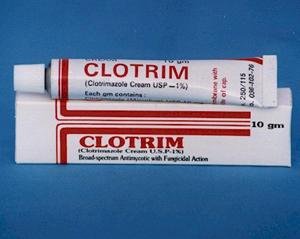
Antifungals such as clotrimazole, miconazole, and terconazole are effective in treating candidiasis. If you have never had a yeast infection before, see your health care provider before treating it yourself to make sure that it is indeed a yeast infection. There is also a medication you can take in pill form, but that is usually used for severe cases of candidiasis.
PART 1 | PART 2 | PART 3
PART 4 | PART 5 | PART 6
PART 7 | PART 8
| PART 9 | PART 10